


Varanasi is a living heritage: its lanes, homes, and rituals carry centuries of meaning. While tourism sustains livelihoods, unchecked concentration around sacred spaces risks turning culture into spectacle. The challenge lies in allowing visitors without overwhelming the city’s most fragile zones.
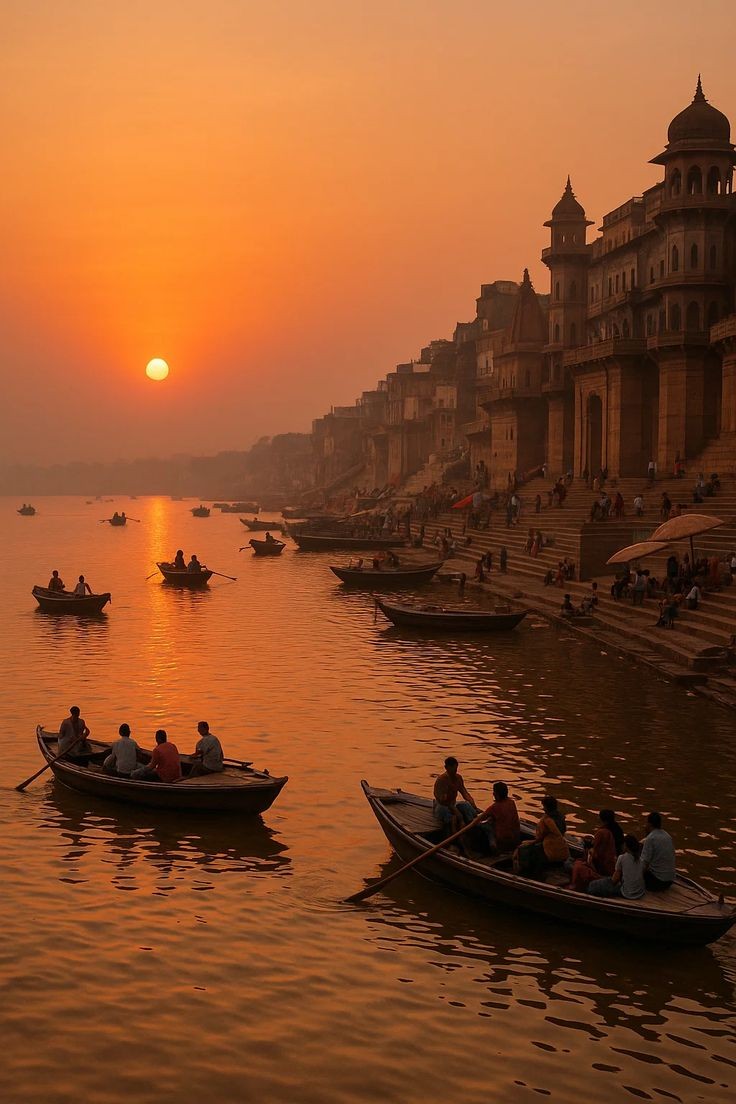
One conscious choice is where tourism is located. Local Lok is intentionally not situated near the ghats, which helps reduce pressure on already overburdened riverfronts and allows these spaces to remain primarily for local life and spiritual practice.
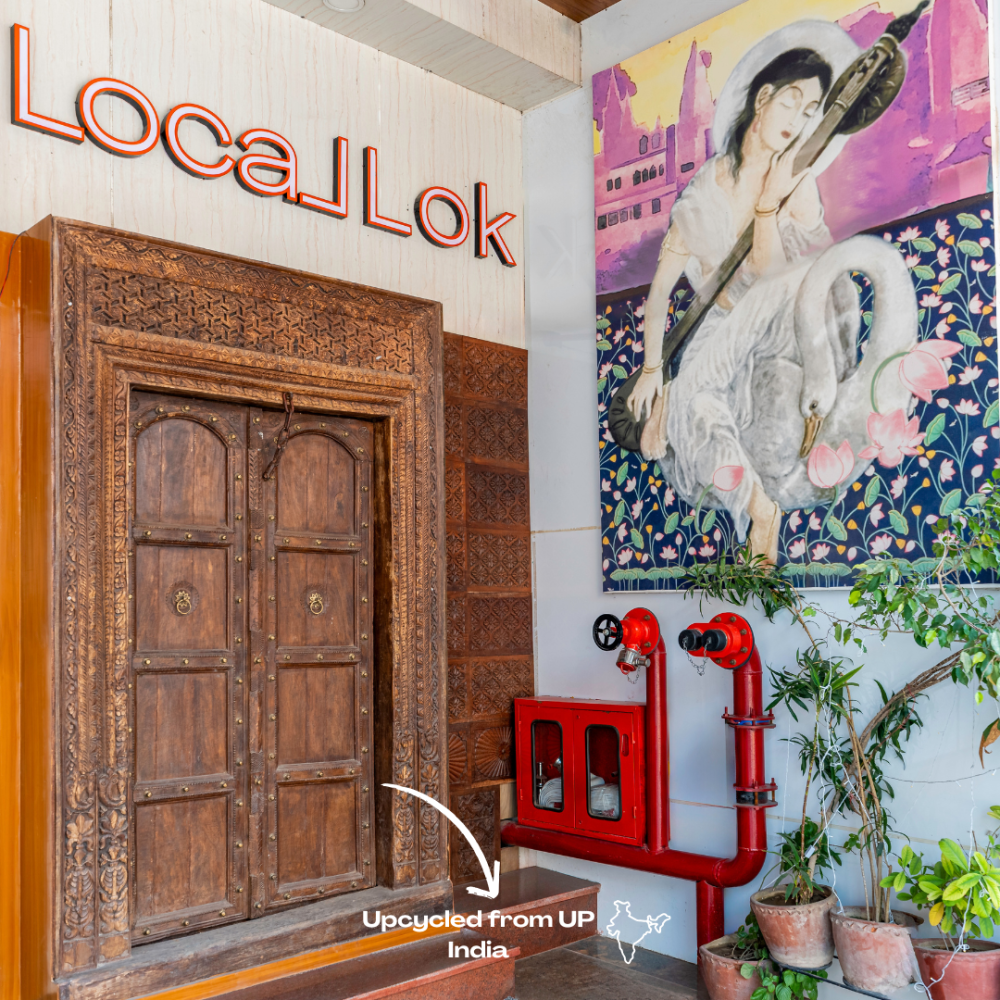
Sustainability here goes far beyond materials: it’s a question of spatial responsibility, of choosing where and how tourism occupies the city without disrupting its most sacred and fragile spaces.
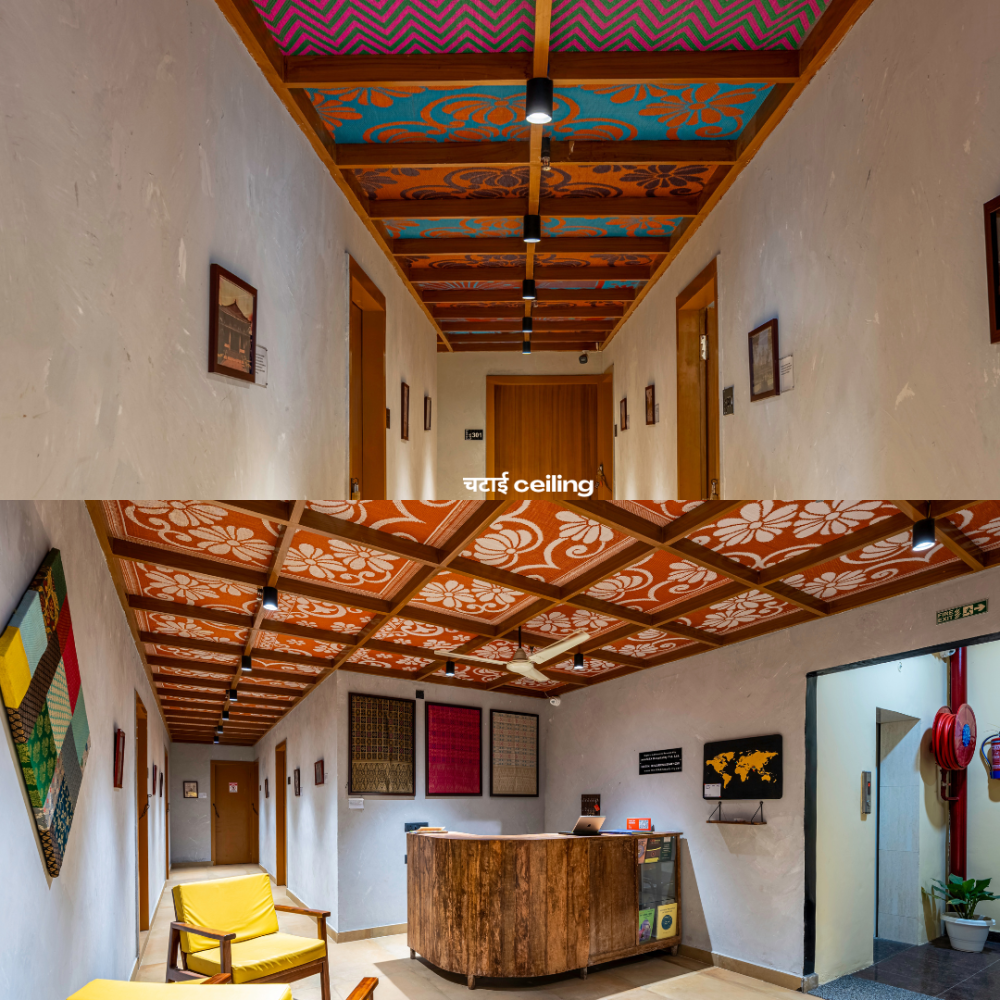
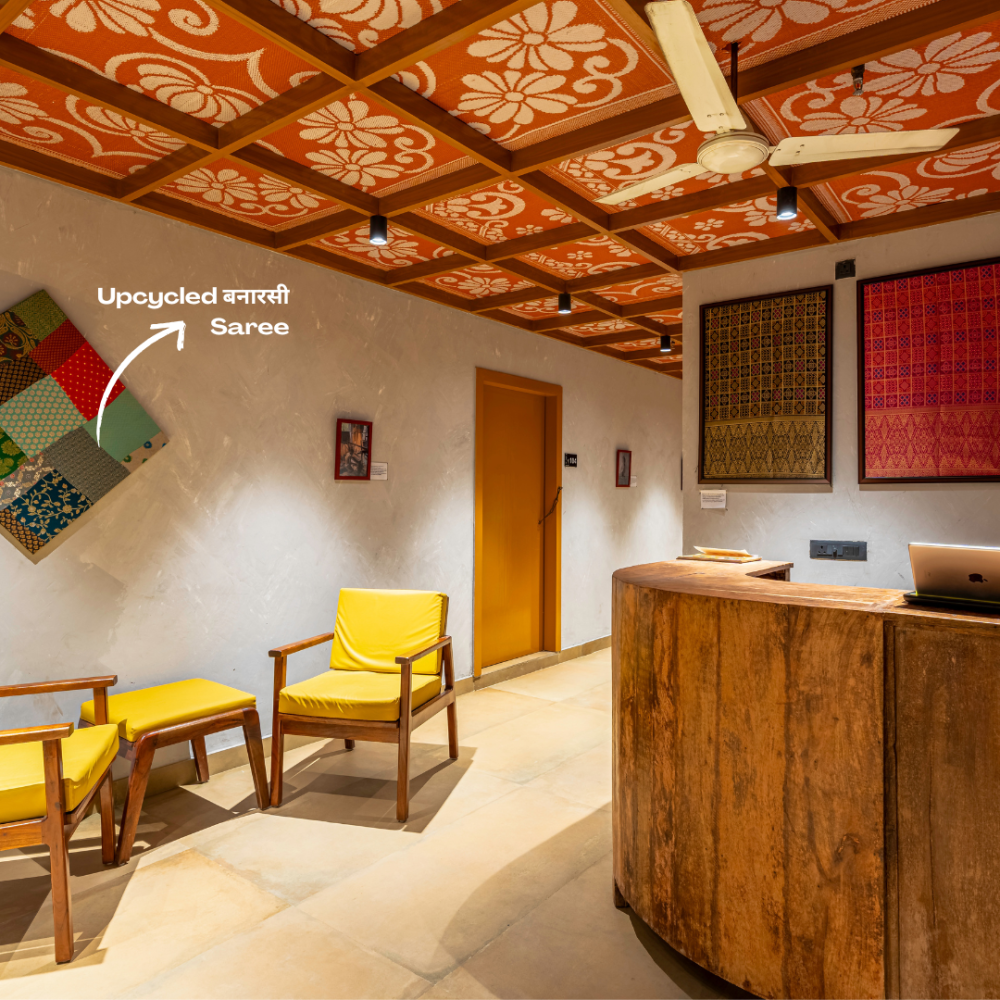
Through adaptive reuse, local sourcing, and encouraging slower, more respectful forms of travel, the focus remains on coexistence rather than extraction.
In Varanasi, preservation isn’t anti-tourism. It’s about spreading impact, respecting boundaries, and ensuring the city’s soul is not compromised in the process.