


Agra
Agra, one of the world’s most iconic cities, is a timeless destination on the banks of the river Yamuna. It is a living testament to Mughal grandeur, where marble monuments, crowded bazaars, and age-old craftsmanship tell stories that have endured for centuries. The city’s winding lanes, vibrant markets, and majestic forts offer visitors an unforgettable glimpse into India’s most celebrated imperial chapter.
The history
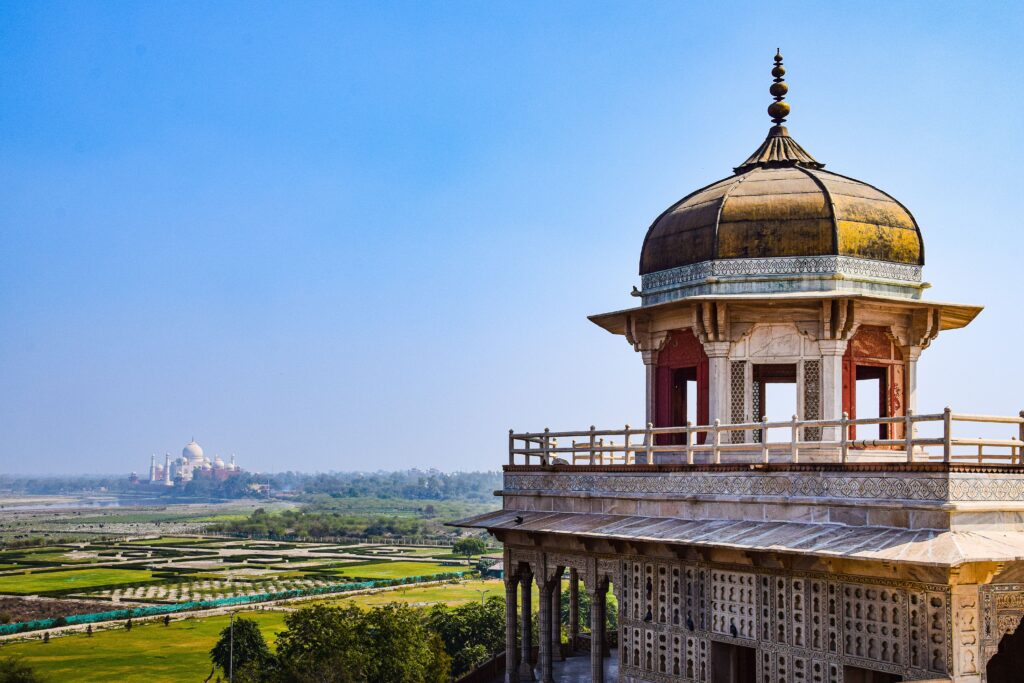
In Agra, history is carved in stone. The city rose to glory as the capital of the Mughal Empire under Akbar, Jahangir, and Shah Jahan, whose grief for his beloved Mumtaz Mahal gave the world the Taj Mahal. Conquest, art, and faith shaped its identity — and even after the Mughals, Agra remained a prize worth fighting for, leaving behind layers of Persian, Rajput, and colonial influence.
The people
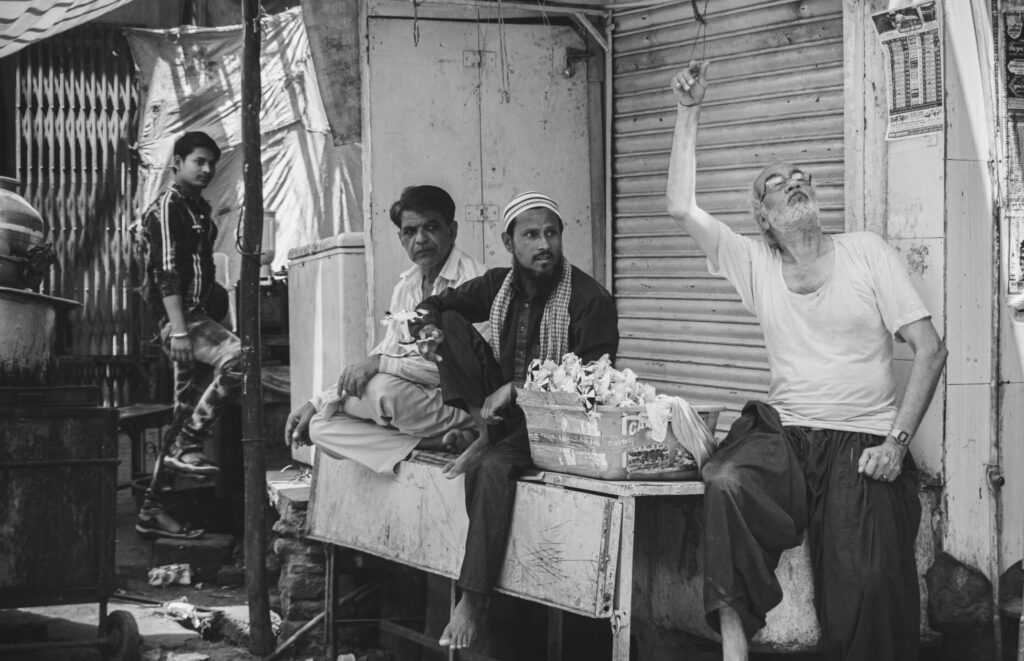
Agra’s people, carry the city’s mercantile spirit and artistic heritage in equal measure. From marble inlay craftsmen in their workshops to chai sellers outside the fort gates, the city hums with industrious warmth. Agra’s families have passed down the art of pietra dura for generations, and their pride in the city’s legacy makes every encounter feel personal and generous.
The food
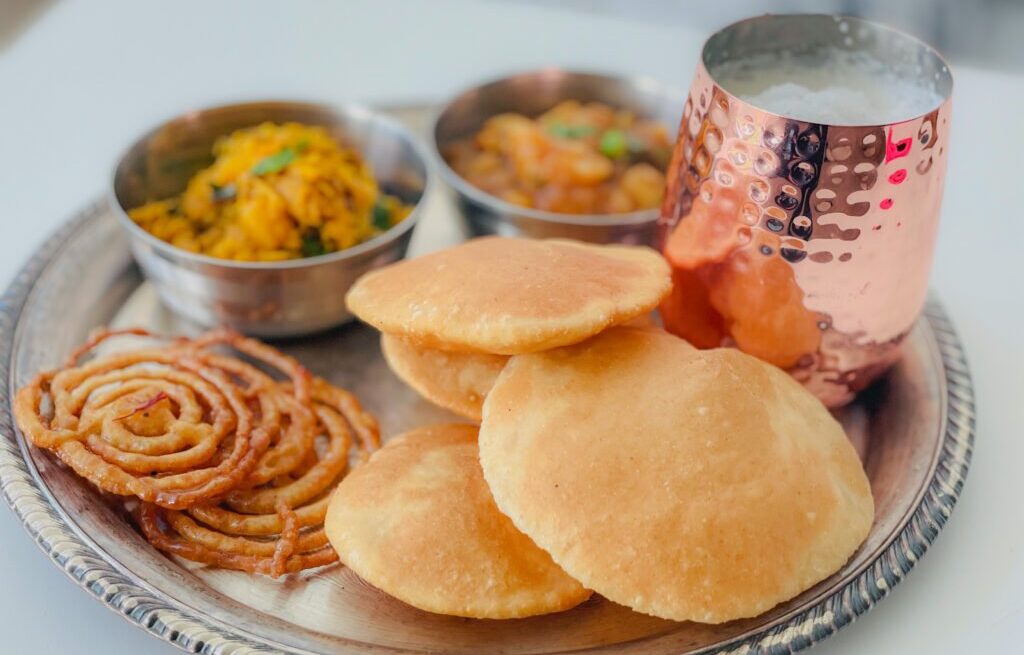
Agra’s culinary scene is as layered as its history. Sink into the city’s most famous street food — petha, the crystallised gourd sweet that has been made here for over 400 years. Savour bedai with aloo sabzi for breakfast, rich Mughlai biryanis and kebabs for lunch, and end the evening with a dollop of Agra’s legendary dalmoth. Every dish carries the city’s signature blend of Mughal spice and Braj simplicity.
The culture
Agra’s culture is a magnificent confluence of Mughal refinement and Hindu devotion. The Taj Mahal stands as poetry in white marble while the Jama Masjid fills with prayers at dusk. Temples dedicated to Krishna dot the older quarters, and the annual Taj Mahotsav fills the city with folk music, crafts, and colour each February. Agra is as much a living city as it is a monument.
The geography
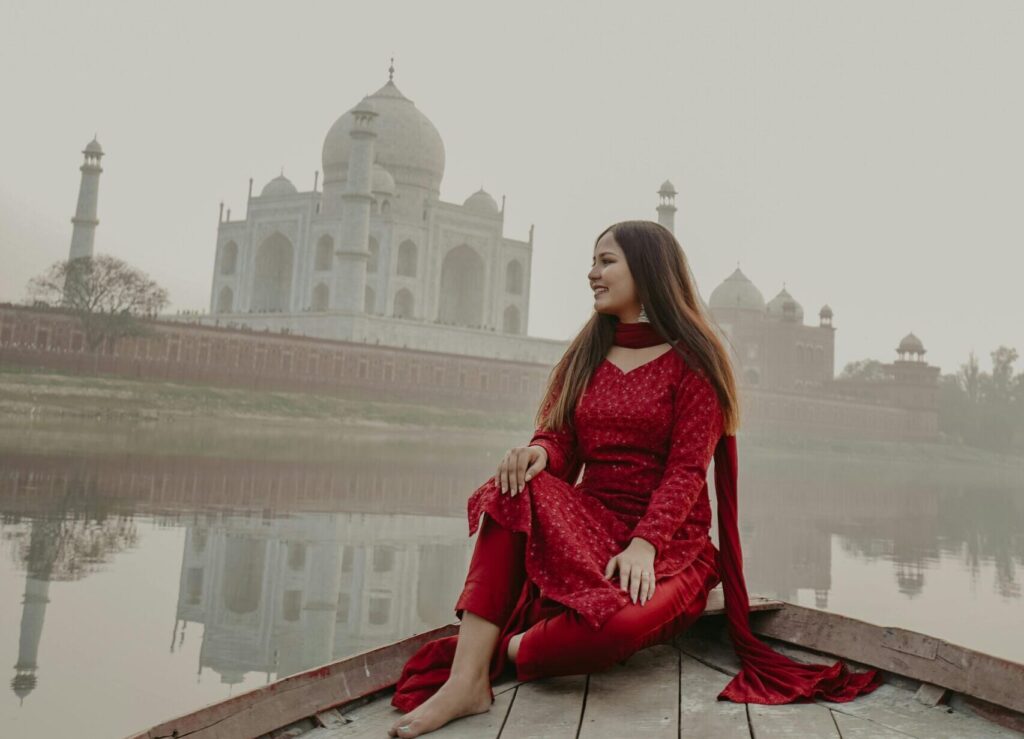
Agra sits on the fertile banks of the river Yamuna in western Uttar Pradesh, India, at the heart of the Braj cultural region. The city commands the flat Gangetic plains, with its iconic skyline — the Taj, the fort, the Itimad-ud-Daulah — rising above the river. Its position at the crossroads of the Delhi–Mumbai and Delhi–Chennai corridors has kept it a hub of trade and travel for five centuries.
Agra
Agra, one of the world’s most iconic cities, is a timeless destination on the banks of the river Yamuna. It is a living testament to Mughal grandeur, where marble monuments, crowded bazaars, and age-old craftsmanship tell stories that have endured for centuries. The city’s winding lanes, vibrant markets, and majestic forts offer visitors an unforgettable glimpse into India’s most celebrated imperial chapter.
The history
In Agra, history is carved in stone. The city rose to glory as the capital of the Mughal Empire under Akbar, Jahangir, and Shah Jahan, whose grief for his beloved Mumtaz Mahal gave the world the Taj Mahal. Conquest, art, and faith shaped its identity — and even after the Mughals, Agra remained a prize worth fighting for, leaving behind layers of Persian, Rajput, and colonial influence.
The people
Agra’s people carry the city’s mercantile spirit and artistic heritage in equal measure. From marble inlay craftsmen in their workshops to chai sellers outside the fort gates, the city hums with industrious warmth. Agra’s families have passed down the art of pietra dura for generations, and their pride in the city’s legacy makes every encounter feel personal and generous.
The food
Agra’s culinary scene is as layered as its history. Sink into the city’s most famous street food — petha, the crystallised gourd sweet that has been made here for over 400 years. Savour bedai with aloo sabzi for breakfast, rich Mughlai biryanis and kebabs for lunch, and end the evening with a dollop of Agra’s legendary dalmoth. Every dish carries the city’s signature blend of Mughal spice and Braj simplicity.
The culture
Agra’s culture is a magnificent confluence of Mughal refinement and Hindu devotion. The Taj Mahal stands as poetry in white marble while the Jama Masjid fills with prayers at dusk. Temples dedicated to Krishna dot the older quarters, and the annual Taj Mahotsav fills the city with folk music, crafts, and colour each February. Agra is as much a living city as it is a monument.
The geography
Agra sits on the fertile banks of the river Yamuna in western Uttar Pradesh, India, at the heart of the Braj cultural region. The city commands the flat Gangetic plains, with its iconic skyline — the Taj, the fort, the Itimad-ud-Daulah — rising above the river. Its position at the crossroads of the Delhi–Mumbai and Delhi–Chennai corridors has kept it a hub of trade and travel for five centuries.
LOCATION
LATITUDE 27.1767° N
LONGITUDE 78.0081° E
AREA 188 Sq. Km
ELEVATION
LOWEST — 169 M
SOIL Sandy Loam,
Alluvial, Calcareous / Ustic Soil
TEMPERATURES
MIN 2° C — MAX 47° C
ANNUAL RAINFALL
AVG. 689 MM
SEASONS
OCT TO FEB –
WINTER (8°C – 22°C)
MAR TO SEP –
SUMMER (30°C – 47°C)
LOCATION
LATITUDE 27.1767° N
LONGITUDE 78.0081° E
AREA 188 Sq. Km
ELEVATION
LOWEST — 169 M
SOIL Sandy Loam, Alluvial, Calcareous / Ustic Soil
TEMPERATURES
SEASONS
MAR TO SEP — SUMMER (30°C – 47°C)
